Competition: Reimagining botanical gardens
Designers are invited to explore how botanical gardens can extend beyond traditional geographical and metaphorical boundaries to engage with the wider city.
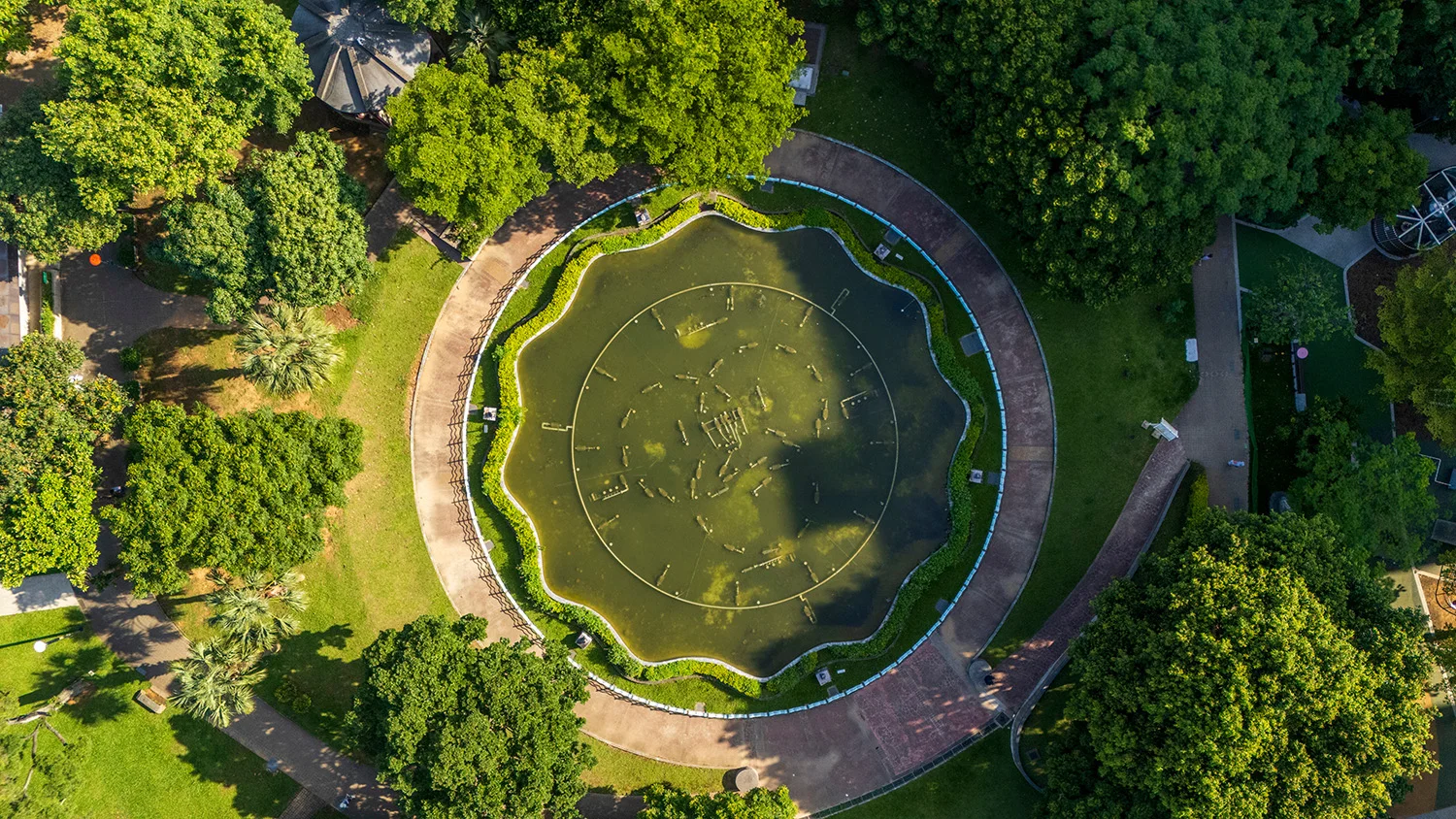
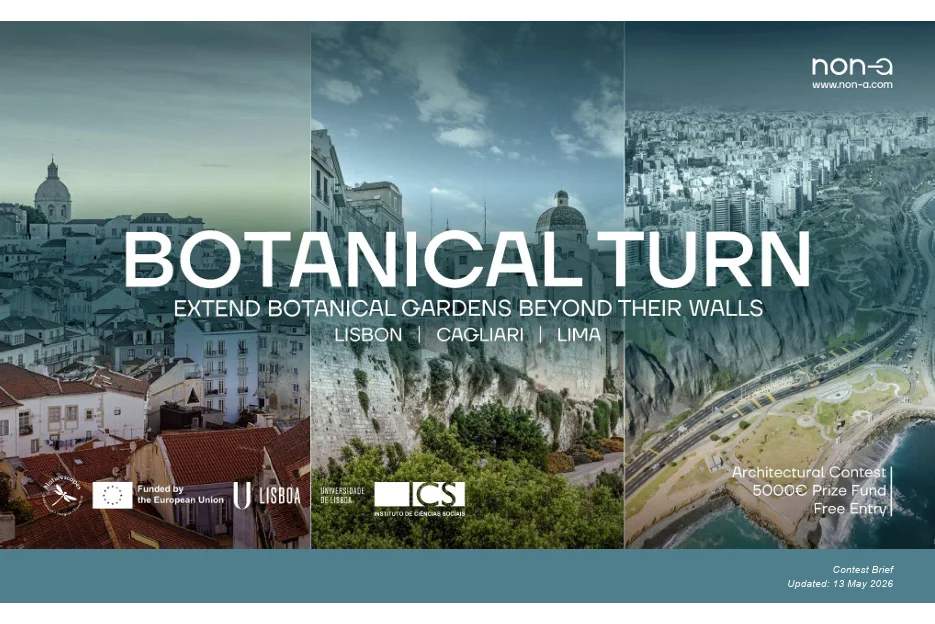
Not-for-profit architecture organisation Non-a and EU research project Naturescapes have announced a new competition inviting urban designers to reimagine how botanical gardens can extend into the city, connecting plants, people and the urban fabric.
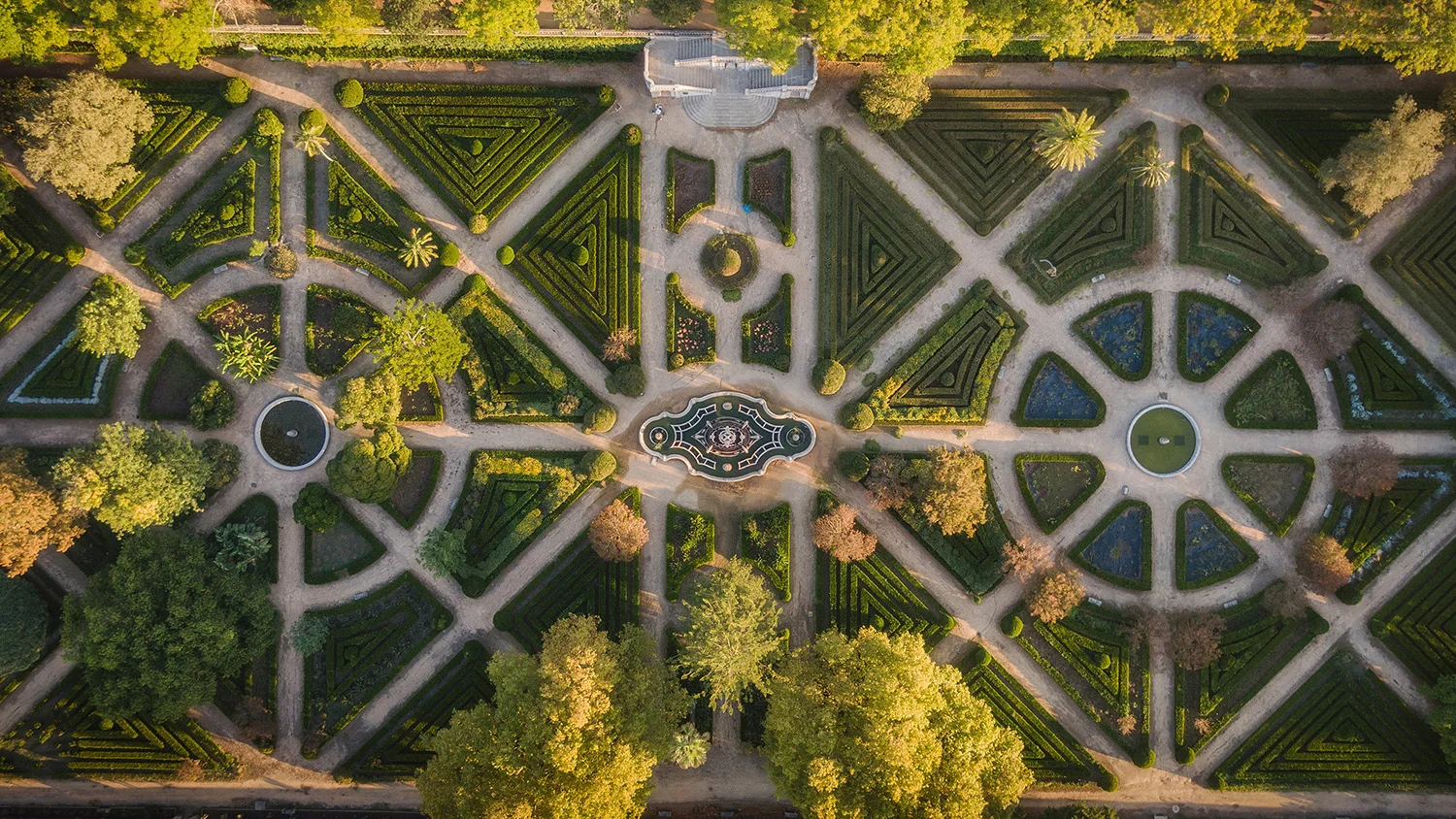
Botanical Turn invites architects and designers to see botanical gardens as active urban infrastructures – reservoirs of knowledge, biodiversity and layered cultural histories, with roots that can reach beyond their walls.
Entrants are asked to reimagine the relationship between plants and the urban fabric in one of three sites – Lisbon (Portugal), Cagliari (Italy) and Lima (Peru). Specifically, entrants must explore how botanical gardens and botanical systems can:
- expand across different scales
- create new forms of seeing and interacting with urban plants
- challenge how plants are positioned in urban environments.
Students and professionals from all fields are encouraged to enter, either as individuals or in teams of up to five people.
The competition is free to enter and has a €5000 total prize pool spread across three winners (one per city submitted).
OCULUS’s Claire Martin asked to participate
OCULUS Associate Director Claire Martin will be one of the Botanical Turn judges and has contributed to a roundtable discussion on botanic gardens for The Nature of Cities in support of the competition. The roundtable brings together experts from four continents and multiple disciplines.
Each expert was asked:
- What are ways to extend the values and benefits of botanical gardens beyond their walls?
- How might their influence seep into streetscapes, shape urban design, or illuminate the intertwined ecological, cultural and economic landscapes that cities inhabit?
- What might it mean for botanical gardens to spill outward – into neighbourhoods, edges and imaginations – reshaping how we live with plants, and how cities themselves take form?
In response, Claire says:
“The botanic city reminds us that we are ecological, and for many we are culturally and spiritually entangled.
“In an era of climate instability, cultural fragmentation and democratic fragility, the botanical garden as a system, not a destination, might offer a hopeful model for cities seeking to rebuild common purpose.”