Collaboration critical for city design
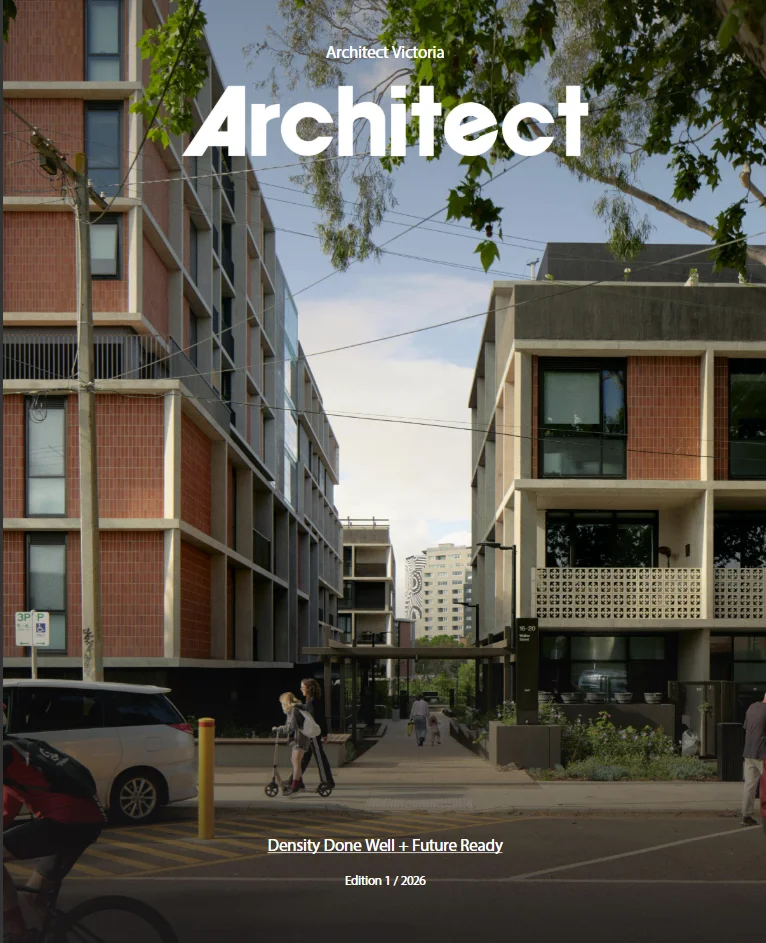
OCULUS Director Bob Earl and Associate Director Claire Martin were feature contributors to Architect Victoria magazine's latest issue and offered their thoughts on future design processes.
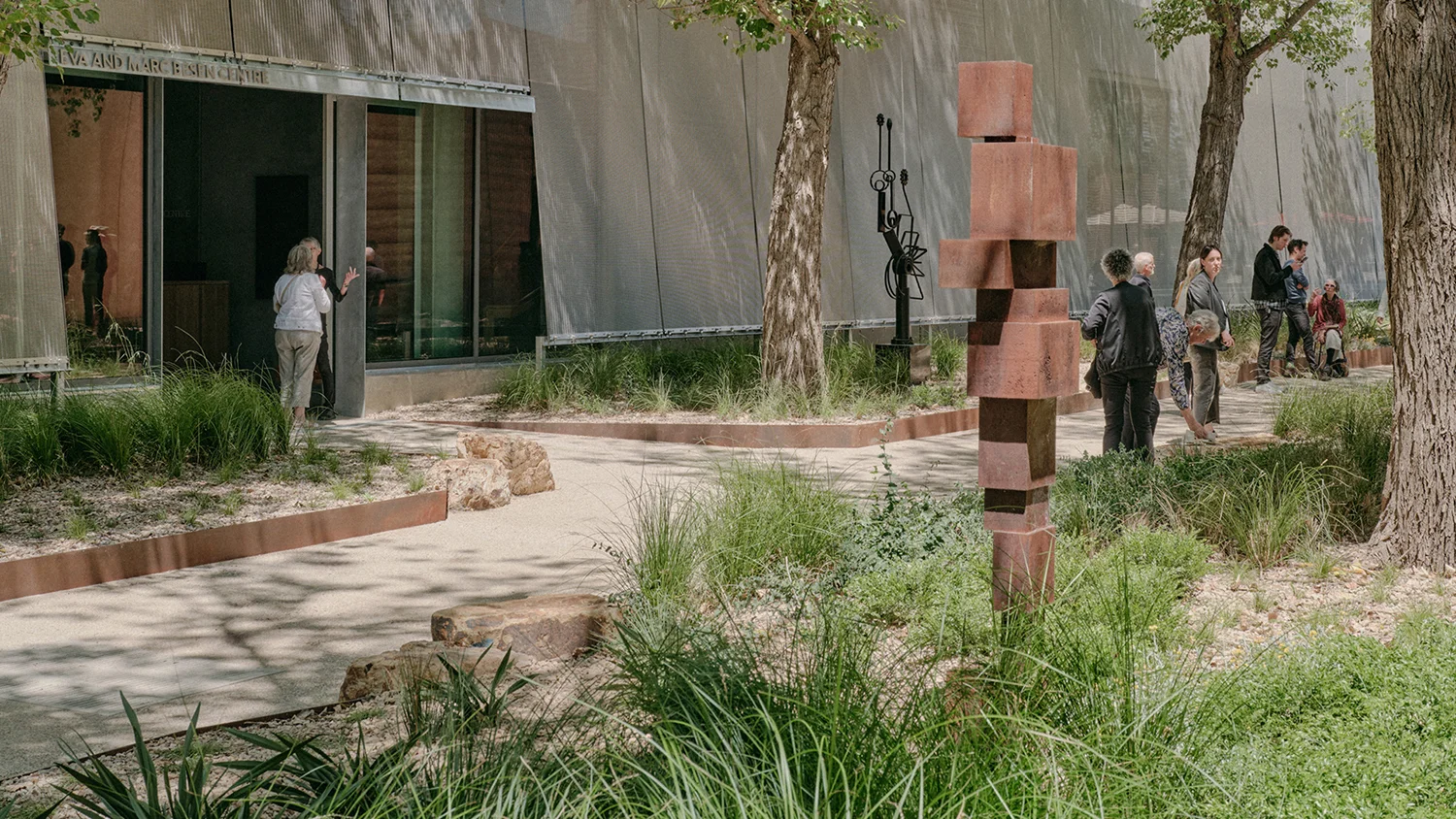
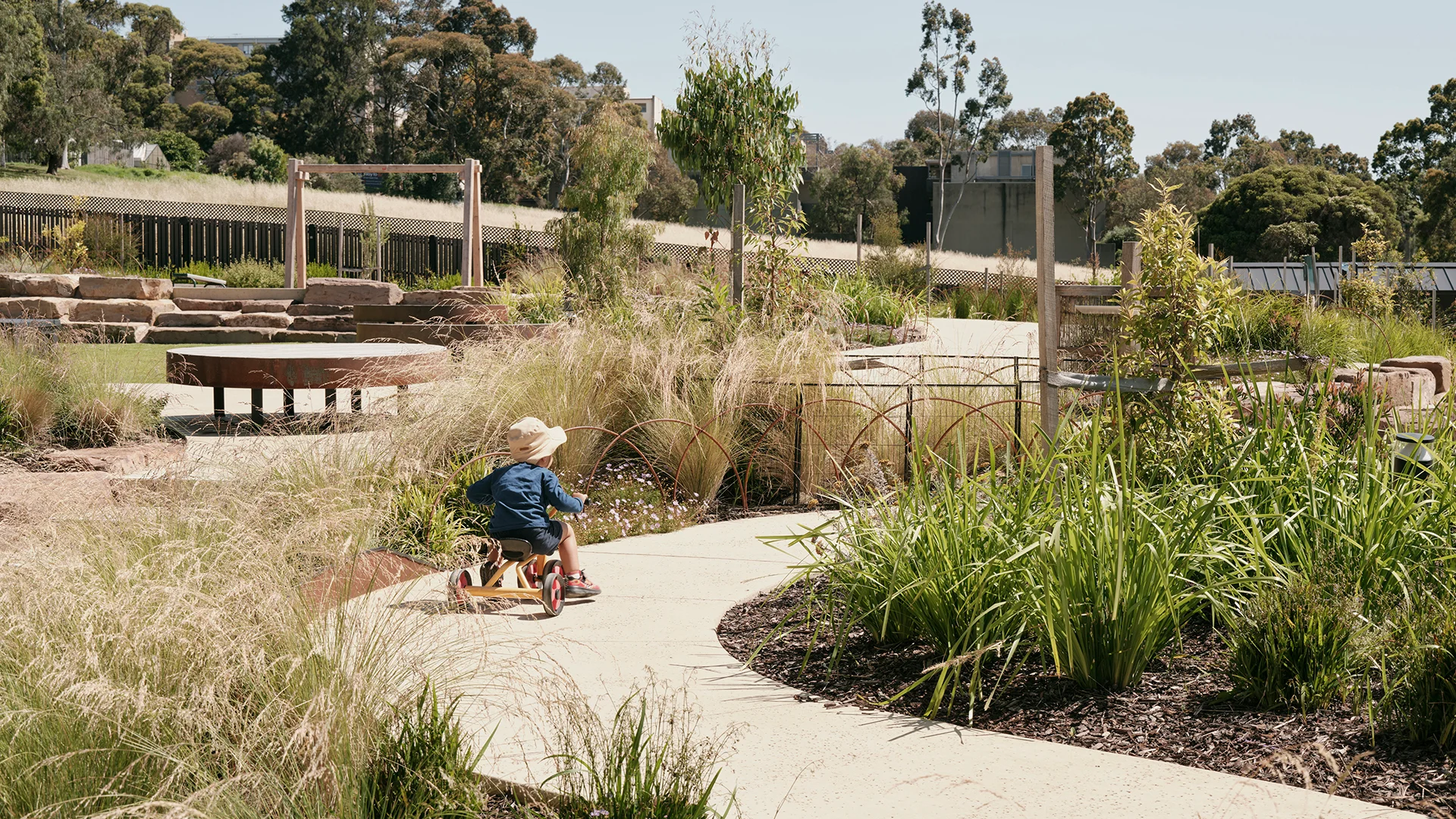
OCULUS was part of a team that integrated architecture, art and ecology at the TarraWarra Museum of Art: Eva and Marc Besen Centre. (Image: Leo Showell)
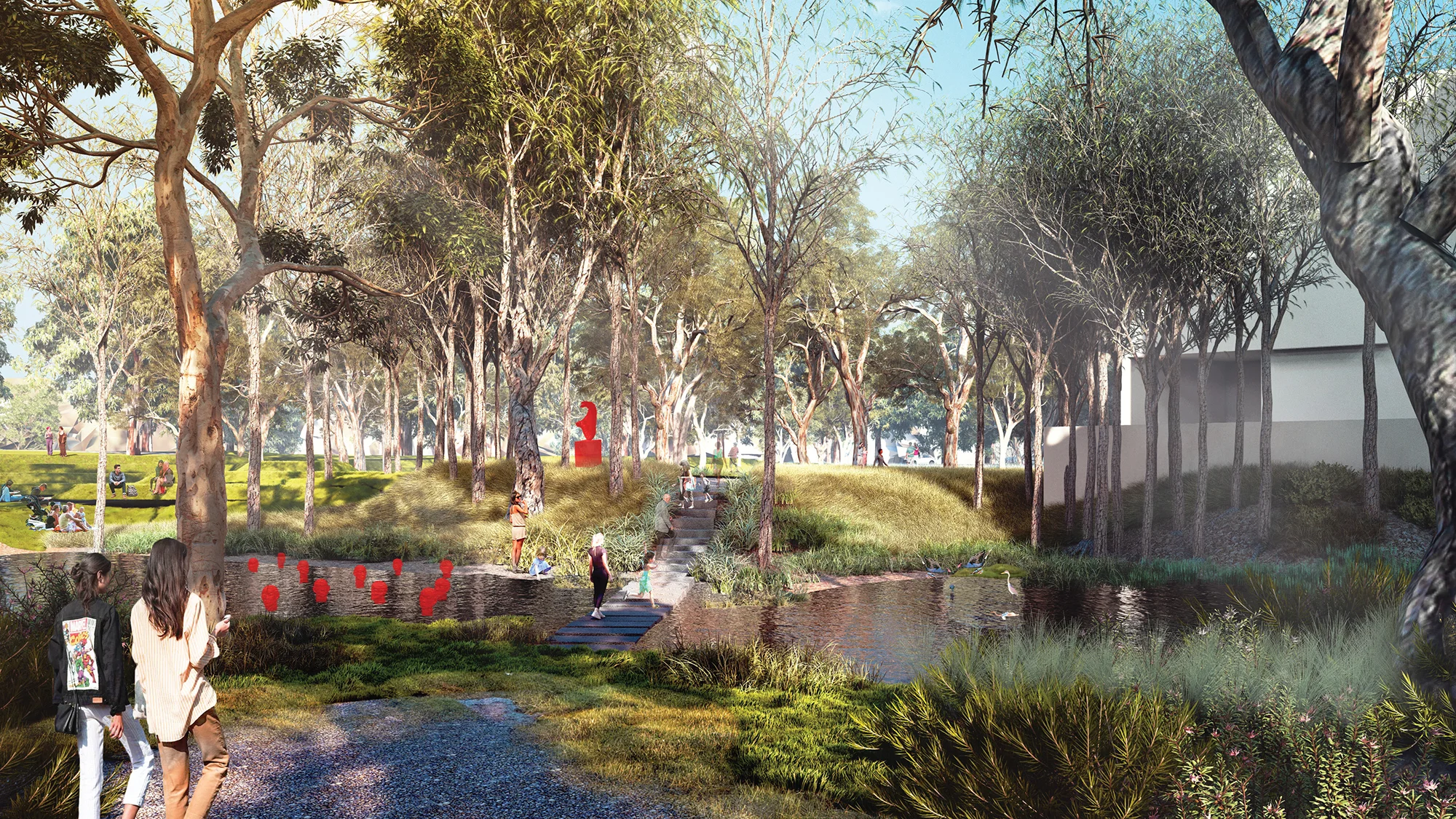
In an article titled 'Surveying the landscape of future design processes' for Architect Victoria magazine's Future Ready section, Claire and Bob argue that deeper, earlier and more systemic collaboration across the built environment is essential to deliver regenerative, resilient urban design.
The problem – and the OCULUS approach
Our cities aren’t failing for lack of talent but for the way we work, says Bob.
“The built environment is, by nature, a highly collaborative space … but it’s hamstrung by ‘baggage or preconceived ideas’,” he says. “Sometimes designers just come to a project with the mindset of ‘this is what we did before’.” But that mindset kills innovation.
According to Claire, the solution lies in moving away from linear and hierarchical engagement to more systems thinking and employing ‘whole-of-life’ project procurement, process and stewardship to produce regenerative outcomes.
She adds that the OCULUS approach is never one size fits all: “We are always prepared to challenge assumptions – whether our own or those inherent in the brief or with our collaborators. Our projects are most successful when we can properly interrogate and anticipate.”
There will continue to be a need for designers to have good people skills. “Young designers need a broad array of technical skills but also a foundational, mature understanding of how all the players … interrelate,” Bob says. Claire urges humility and stewardship: “Leadership is not always about stepping forward – sometimes it’s about stepping back.”
Both authors take the view that being ethical and empathetic are important skills for current and future designers as the industry evolves.
“For me, above all, critical thinking remains the most important skill a designer can have,” says Claire.
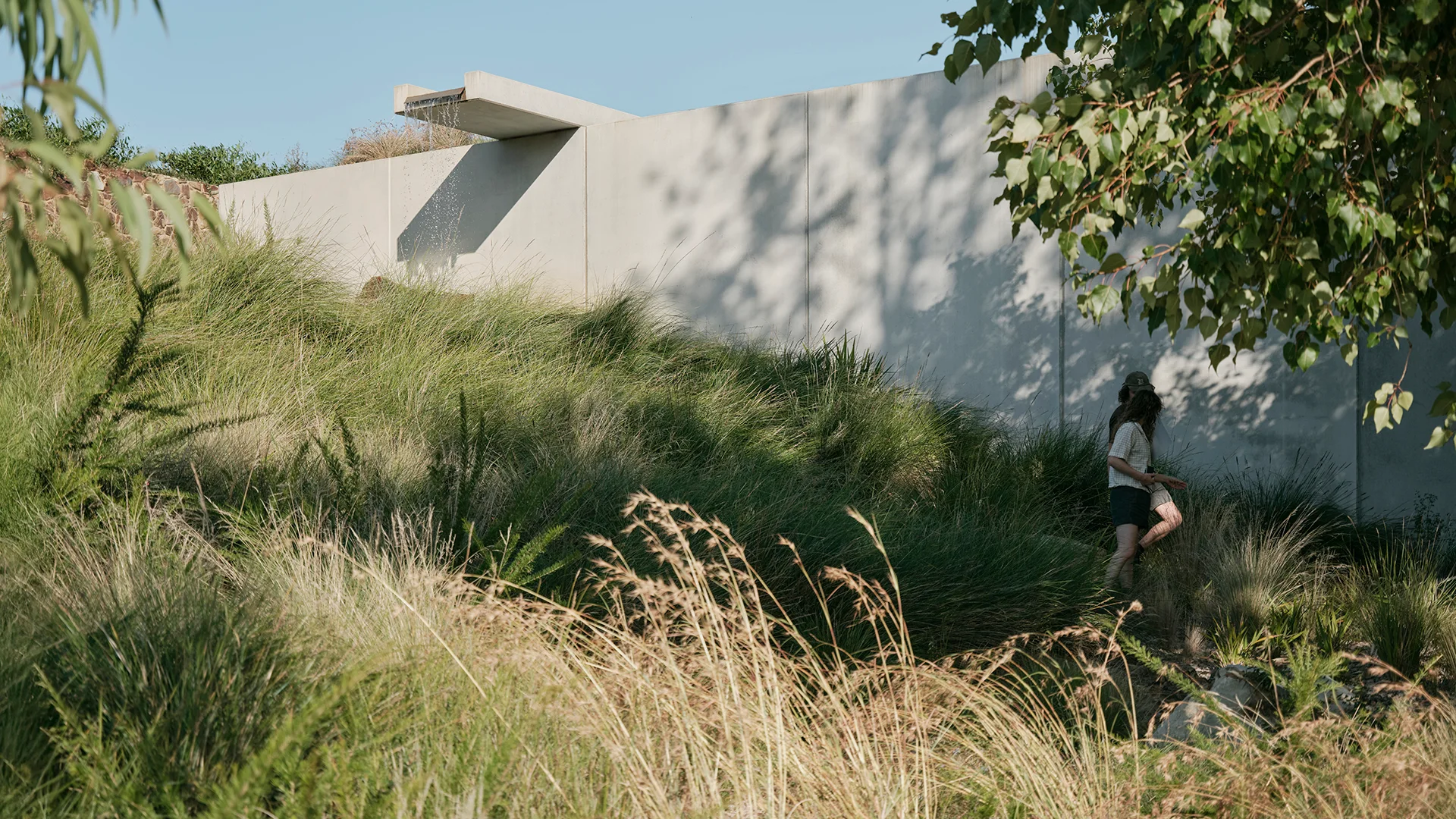
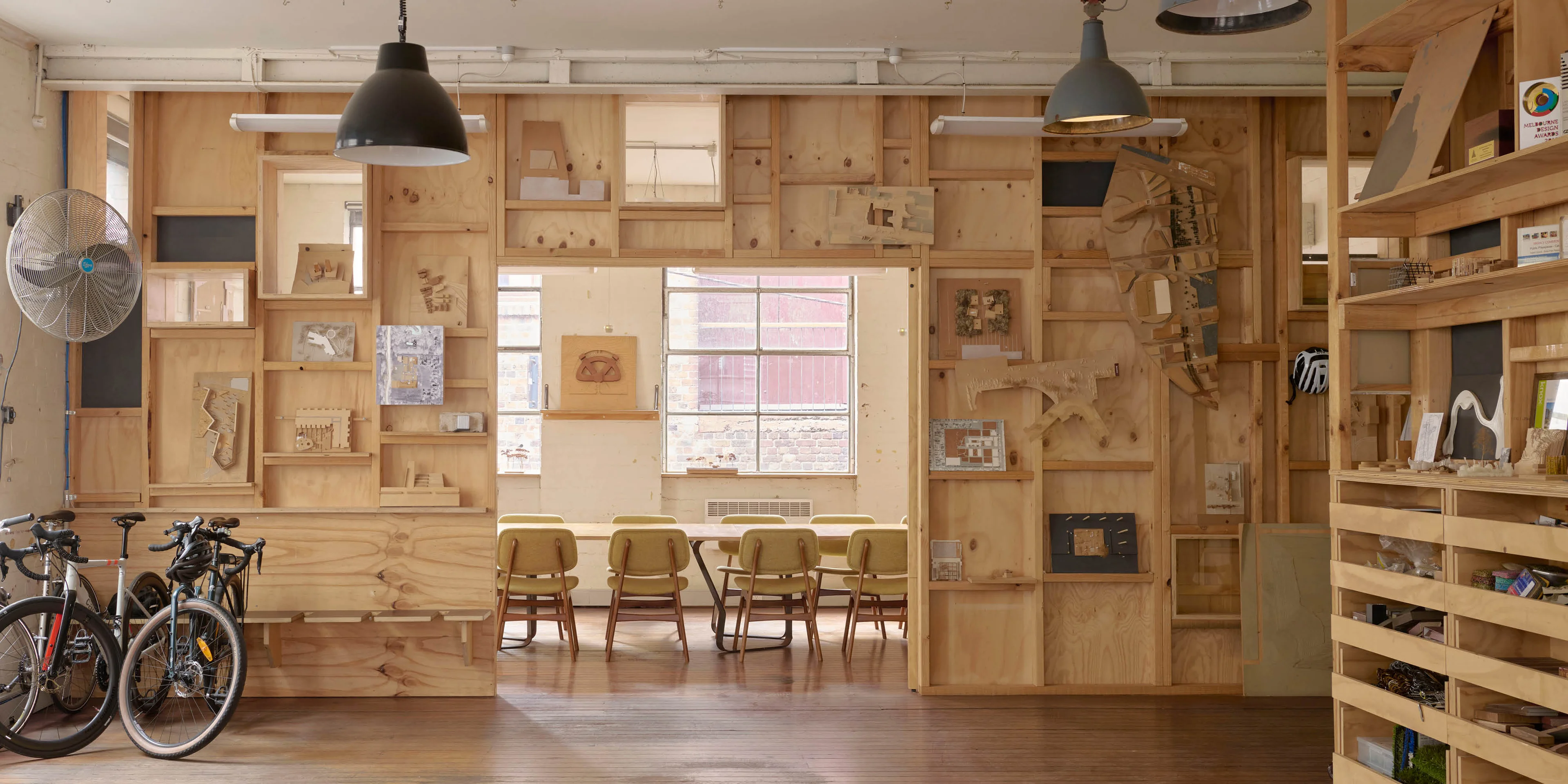
(Image: Leo Showell)
Acknowledgement
Daryl Maguire, Melbourne Studio Principal at Warren and Mahoney, and guest editor, said it was a privilege to edit the issue and bring together diverse thought-leaders to explore what it means to be ‘future ready’.
The unique perspectives of the contributors helped shape what is a rich and thought-provoking edition, Daryl said.
Read Bob Earl and Claire Martin’s full Q&A in the latest issue ofArchitect Victoria magazine.