Planning Greener Australian Cities
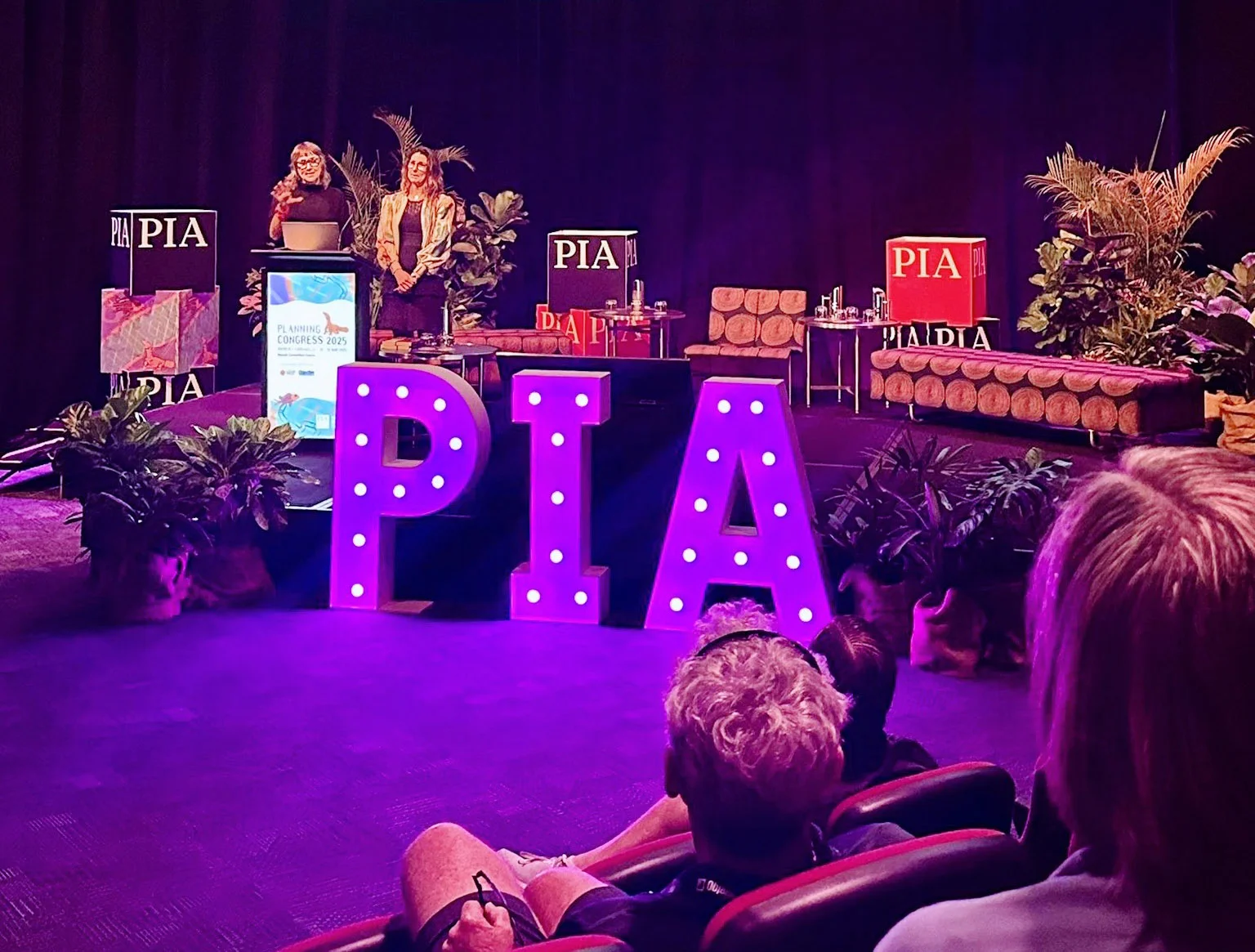
OCULUS Associate Director Claire Martin and Arup Sustainability Leader Miranda Snowdon recently returned from presenting at the Planning Institute of Australia (PIA) National Planning Congress in Garramilla/Darwin on spectacular Larrakia Country.
Their well-received talk ‘Delivering Australian Density, Healthier, Greener Communities and Economies’ highlighted the importance, now more than ever before, of understanding the value of our cities – home to 86% percent of Australians, and 30% of our threatened species – as urban ecosystems.
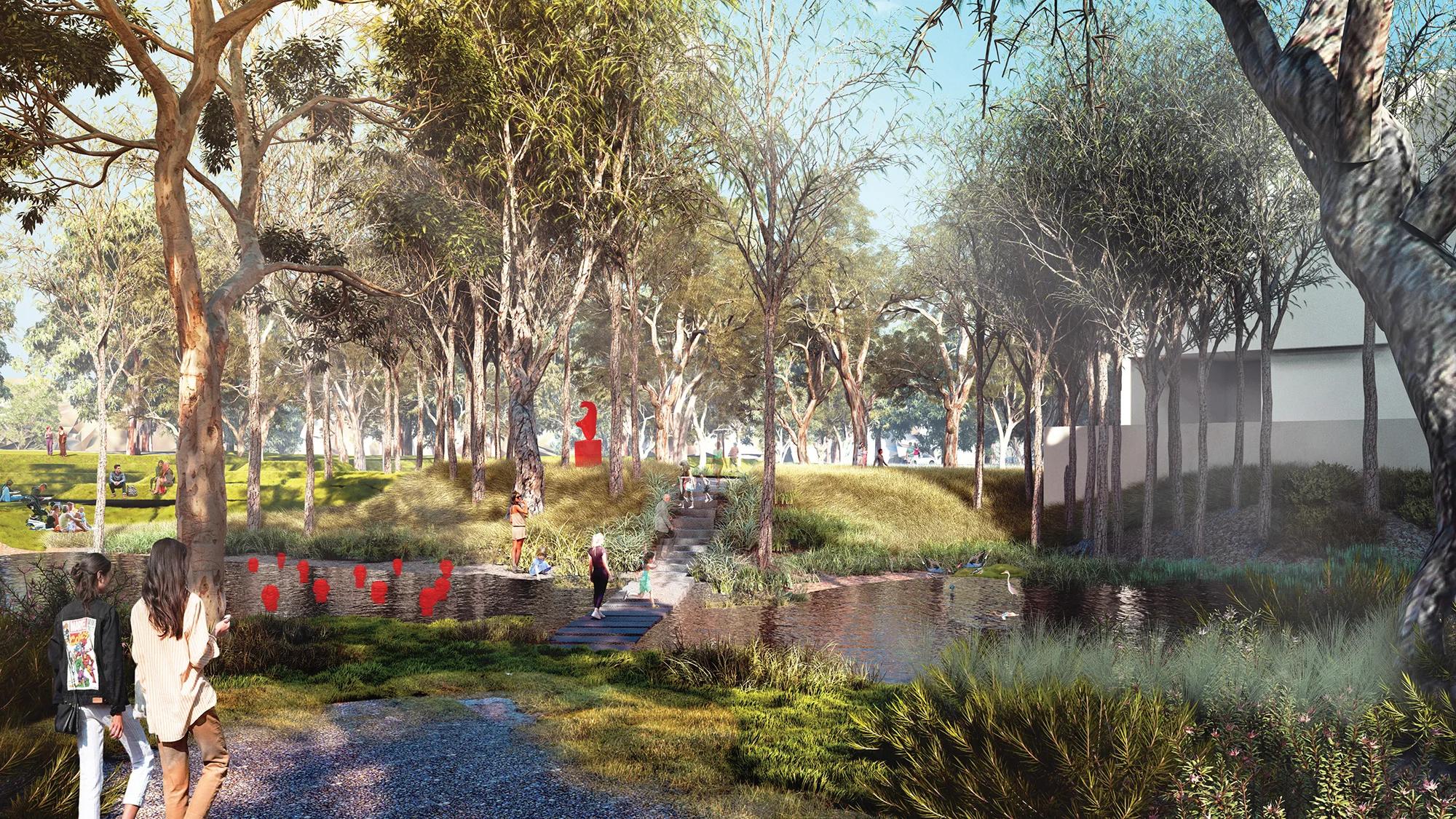
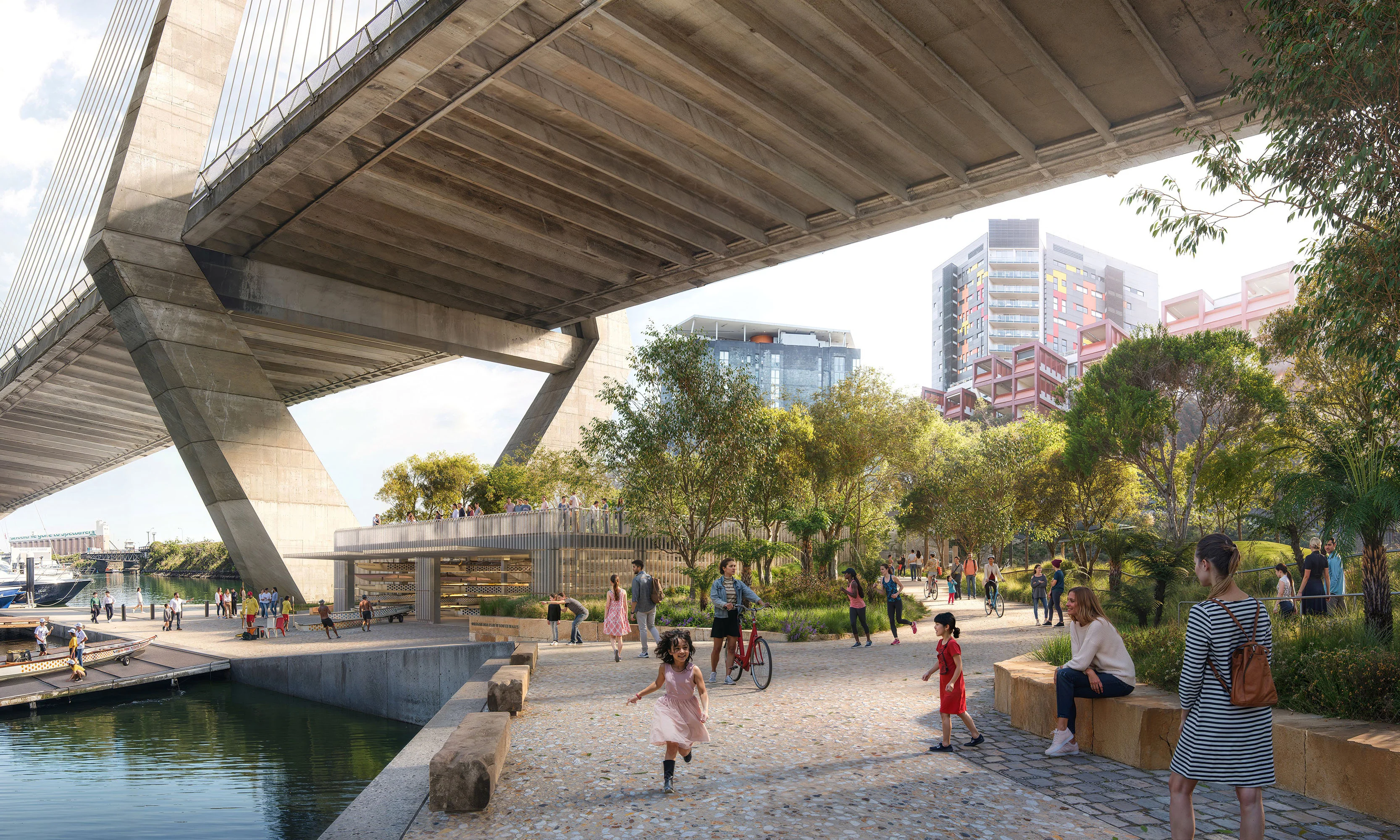
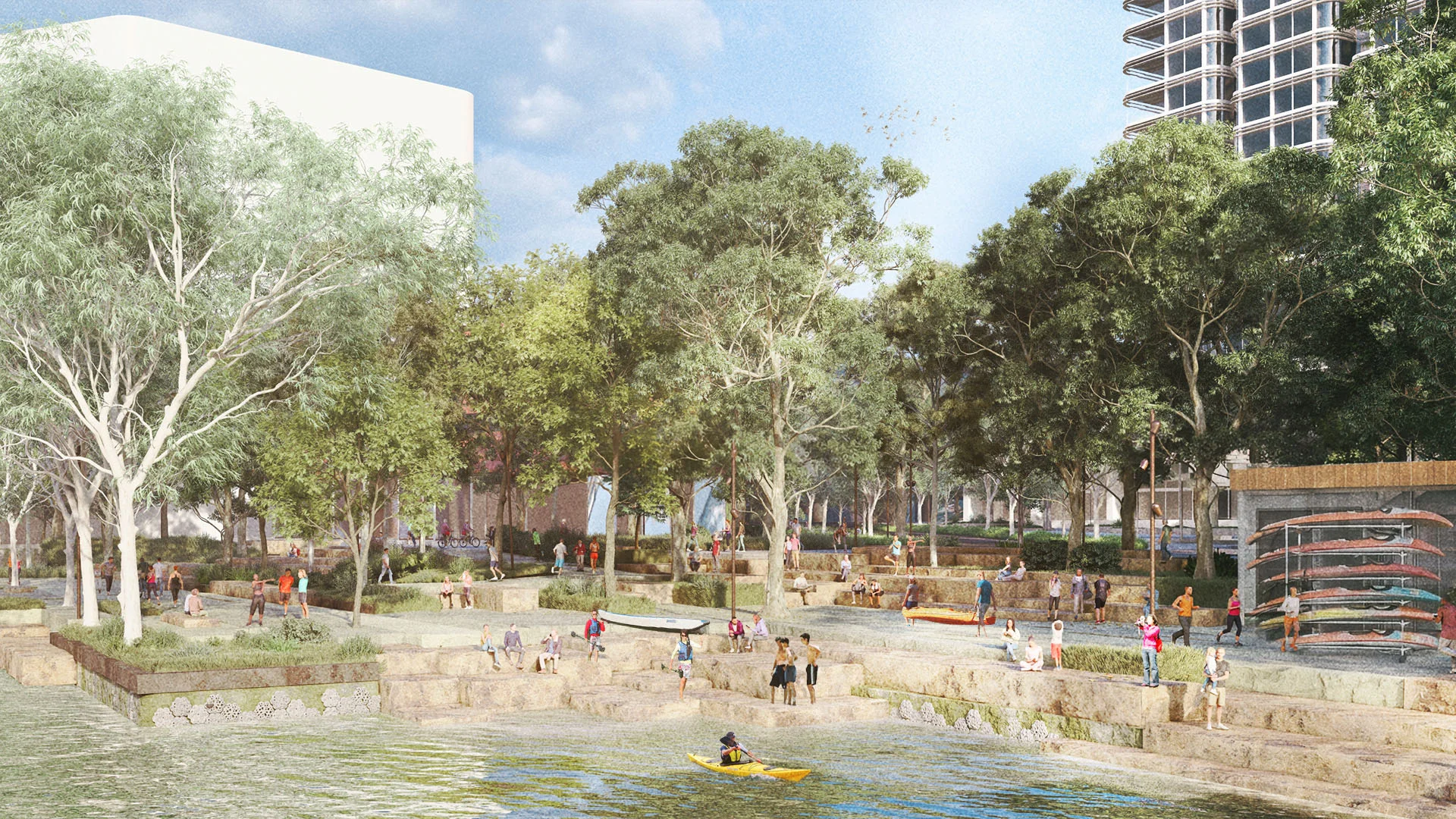
The presentation reflected on over seven years of collaboration between OCULUS and Arup on projects that seek to use planning as a mechanism to accelerate the implementation of green infrastructure across Australia critical in the context of climate change, biodiversity loss, and public health crises.
The projects discussed were all commissioned to help address these issues, because the majority of land in Australian cities is not owned by government and we are not seeing wide spread adoption of nature-based infrastructure, even though we know that it is on average 42% less expensive (than grey infrastructure) and provides 36% more value when avoided costs and co-benefits are accounted for.
Listening to the state and territory planning departments present at the conference, it’s clear that delivering housing remains a key priority. Much of the discussion focused on the role of planning; the shortage of planners; and the current and future roles of artificial intelligence (AI) and other digital tools to minimise approval delays and to overlay and visualise our city’s social, cultural, environmental and economic needs and their potential for productivity and liveability.
Importantly there was also discussion on the role and leadership of Traditional Owners in governance and land development amidst the complexities, inadequacies, and legacies of legislation; the importance of equity and social licence in planning reform; the role of our cities as critical infrastructure; and the growing risks posed by climate change and to biodiversity and human health.
The Congress identified a multitude of challenges and solutions that we can all take some responsibility for. So, whether in federal state or local government, small or large business, developing, designing or advocating, here are Miranda and Claire’s top ten recommendations to affect the change we need to see at speed and at scale:
- Extend the evidence base on barriers and benefits and ensure a holistic view with stronger links to economic benefits and social and cultural value (health and wellbeing, connecting with and designing for Country).
- Advocate for development of an Urban Green Infrastructure (UGI) National Framework/Strategy, with measurable goals and actions, and recognition of biodiversity and Country specific indicators.
- Support for green infrastructure priorities and direction is set in Federal policy level, filtering down to state and local policy. Act to ‘influence up’ on the importance of getting this right today.
- Across planning policy and design guidance standardise green infrastructure definitions and terminology (building on the Urban Green Infrastructure handbook from Standards Australia).
- Recognition and development of UGI Standards for inclusion of UGI in Building Code updates.
- Recognise UGI as an asset class as essential infrastructure in contribution frameworks and Cost Benefit Analysis.
- Accelerate nature-based solutions to climate adaptation through insurance premium incentives
- Talk about housing and liveability to focus on essential greening – not housing at the expense of the environment by mandating minimum green infrastructure requirements.
- Establish a fast-tracked planning approval pathway for designs incorporating green infrastructure (e.g. Great Design Fast Track and the Pattern Book).
- Develop an online portal to map existing projects, identify gaps and promote knowledge sharing (like the soon to be commenced Australian Green Infrastructure Network project library).
For more information on the potential application for your jurisdiction or business, contact Claire Martin to discuss how to draw on, and extend our established green infrastructure evidence base, and our planning and policy recommendations and digital tools.